A Practical Guide to Choosing Organic Mattresses by Brand: Obasan vs Naturepedic
This comparative guide equips students and campus residents with a clear, evidence-informed approach to selecting healthier sleep options. We examine core materials, certifications, comfort profiles, and value considerations for two prominent organic mattress brands—Obasan and Naturepedic—so you can navigate dorm rooms, off-campus apartments, and campus housing with confidence.
Why organic matters in student housing
For students juggling classes, internships, and campus life, sleep quality is a cornerstone of performance, mood, and resilience. Organic mattresses promise materials free from many synthetic chemicals and potentially lower exposure to volatile compounds. Yet “organic” is not a uniform label; it rests on certifications, supply chain transparency, and rigorous testing. When you’re selecting a mattress in a campus budget or within a dorm agreement, the best choice blends safety with comfort, durability, and fair value.
Two brands frequently recommended in student housing contexts are Obasan and Naturepedic. Both emphasize organic materials and certifications, but they diverge in design philosophy, price range, and how they balance vegan options, temperature regulation, and long-term value. This article compares the brands across practical dimensions, keeping in mind that campus living often entails shared spaces, limited setup control, and drying times between terms or leases.
Key materials and certifications to know
Organic mattresses typically prioritize natural fibers, low-emission processes, and third-party certifications that verify claims. For students, understanding these elements helps translate marketing language into real-world expectations about safety, comfort, and durability. Here are the pivotal certifications and materials to look for:
- GOTS (Global Organic Textile Standard): Ensures organic fibers are processed according to strict environmental and social criteria, from harvest to final product.
- GOLS (Global Organic Latex Standard): Certifies organic latex materials used in the mattress, with emphasis on the rubber source and processing.
- OEKO-TEX: Verifies textiles are free from a broad set of harmful substances, providing additional confidence in fabric safety.
- Natural and plant-based fills: Organic cotton covers, natural latex, wool and kapok fillings that minimize synthetic additives.
- Certifications beyond the label: Brand transparency, battery of independent tests, and supply-chain audits.
In practice, these certifications translate to a few real benefits: improved indoor air quality in small dorm rooms, reduced allergen exposure for sensitive sleepers, and a durable sleep surface that aligns with a student budget over time. When you compare Obasan and Naturepedic, you’re evaluating how each brand implements these certifications across product lines and pricing tiers.
Side-by-side: Obasan vs Naturepedic
The two brands approach organic sleep from slightly different angles. The following comparison focuses on practical aspects for students who frequently adjust living arrangements, move between apartments, or share a room with roommates. We consider vegan options, temperature regulation, and value for money—three critical decision points for campus life.
Vegan options and material philosophy
Obasan emphasizes organic materials and eco-friendly construction, often presenting blends that minimize synthetic components. Naturepedic, while also strong on organic credentials, offers distinct lines that emphasize the balance between natural materials and practical performance. For vegan sleepers, both brands provide latex- or cotton-based constructions with reduced or absent animal-derived components, though exact product lines may vary by region and collection year.
Temperature regulation and sleep comfort
Dorm rooms can swing between warm nights and chilly mornings. Natural latex and organic cotton in many Naturepedic products offer breathable surfaces, while Obasan typically focuses on cotton and latex combinations with careful ventilation. For students, a mattress that remains cool during late-night study sessions reduces tossing and helps sustain cognitive focus in exams week. Wool fills or breathable cotton layers can also contribute to temperature neutrality, but performance depends on the exact model and cover materials.
Value, warranty, and total cost of ownership
Organic mattresses often command a premium relative to standard synthetic options. However, the long-term value—durability, comfort, and maintenance—can offset the upfront price, especially in a campus context where a mattress must endure multiple moves or a year's tenancy. Naturepedic tends to offer tiered lines that can scale with budget, while Obasan may present a narrower price spectrum but with emphasis on premium materials. When evaluating value, consider the warranty terms, return policies, and the ease of cleaning and care in student living spaces.
Practical buying guide for students
To translate brand promises into a concrete decision, use a structured checklist tailored to dorm life and campus housing. This guide emphasizes what students should verify before pulling the trigger on an organic mattress purchase.
1) Define your needs and space constraints
Measure your dorm or apartment bed frame size and confirm weight-bearing expectations. Many campuses require mattresses in standard sizes, but space in dorms can be limited, so consider a mattress with a thinner profile or a solid support base. If you share a room, factor in the weight of a potential roommate’s movement and the ease of lifting or rotating a mattress during move-in and move-out windows.
2) Prioritize certifications and material disclosures
Review the brand’s official disclosures for GOTS, GOLS, and OEKO-TEX. Look for third-party verification and ensure the materials align with your personal priorities, such as vegan preferences or allergy considerations. In many cases, a transparent materials list and accessible certificates indicate a brand’s credibility and willingness to stand behind its claims.
3) Assess comfort through model-specific features
Organic does not automatically guarantee comfort. Pay attention to the mattress’s firmness level, pressure-relief properties, and motion isolation if you sleep with a partner. In dorm contexts, consider whether the model includes a breathable cover, easy-clean fabrics, and a design that facilitates proper airflow around the torso and hips. If possible, request a trial period or a generous return policy so you can test comfort in your own space.
4) Compare price, warranty, and service
Beyond the sticker price, factor in shipping, setup, and any warranty coverage for years two through ten. In student housing, you may encounter move-related costs or temporary housing scenarios, so ensure the brand offers flexible return windows and reliable customer service to address delivery delays or concerns during campus transitions.
5) Plan for off-campus needs
Naturepedic and Obasan both provide lines that suit off-campus apartments, where you may have more control over room temperature, humidity, and bed orientations. Consider how the mattress will perform in different climate conditions and whether the cover is easy to clean or washable, an important factor for shared living spaces.
6) Leverage campus resources and timing
Timing matters in campus life. Align your mattress purchase with move-in periods, semester breaks, or major sales events when student budgets are more flexible. Some campuses also offer partner brands for dorm furniture or mattress programs; check with housing services for vetted vendors and potential discounts.
Recommended picks for students (Obasan vs Naturepedic)
Both brands offer models that are suitable for dorm life and campus housing. While specific product lines may vary by retailer and region, here are practical considerations and what to look for in each brand if you’re prioritizing organic quality, vegan options, or budget-conscious choices.
Obasan-friendly considerations
In Obasan’s ecosystem, focus on organic cotton covers with natural latex or other plant-based fillings. Look for entries that emphasize low chemical load and clear disclosures about farming practices. If you want a vegan-friendly option within Obasan’s repertoire, identify models that feature latex or cotton-based systems without animal-derived components, and verify the certifications that accompany those constructions.
Naturepedic-friendly considerations
Naturepedic is well known for a broad range of organic options, including vegan lines that avoid wool or other animal-derived materials. For students, Naturepedic often presents options that balance comfort, safety, and price—even on a campus budget. When shopping Naturepedic, assess whether the model uses organic cotton, latex, or microcellular foams, and examine how the temperature regulation and edge support perform in a smaller sleep space.
Representative picks with campus relevance
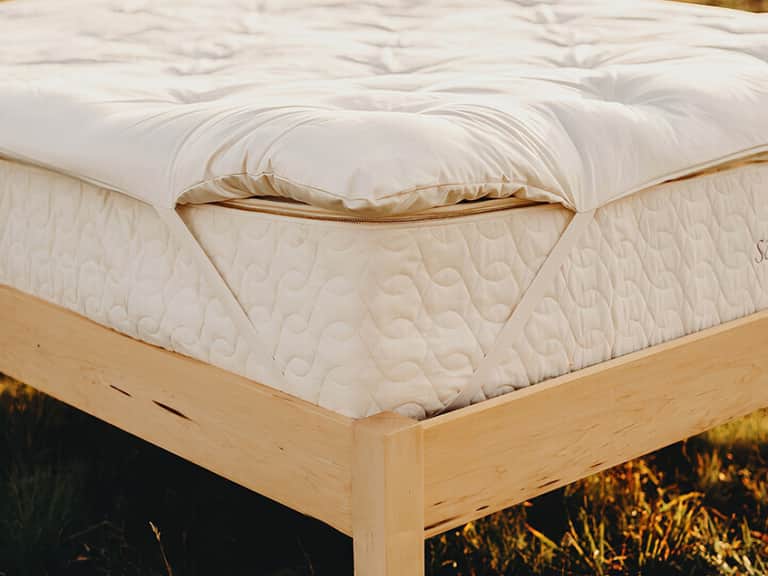
Specific product recommendations should align with the campus context and current availability. If you’re exploring options on this site, you can consider models like a Vispring Heaven Luxury Mattress Topper for a premium upgrade if you want added contour and temperature management on top of an existing mattress—but note that toppers are separate products and should be tested for your mattress type and bed size. For a strong, clearly organic option that emphasizes wool, wooly loft, and natural fibers, Savvy Rest Woolsy provides a generous natural filling in a certified organic cotton cover, which can be appealing for students seeking antimicrobial properties and moisture-wicking performance. Always verify current availability, certifications, and fit within your dorm or apartment before purchase.
A campus-ready buying checklist (quick reference)
- Certified organic materials: Confirm GOTS, GOLS, or OEKO-TEX certifications and request documentation.
- Animal-free options if vegan: Identify models without wool or other animal-derived components and verify certifications.
- Appropriate size and profile: Match mattress size to dorm frames, with attention to height and edge support.
- Breathability and climate control: Prioritize latex, cotton, and breathable covers to support year-round dorm comfort.
- Care and maintenance: Check washability and cleaning guidelines, essential for shared spaces.
- Warranty and return policy: Ensure a reasonable window to assess comfort in your space and contend with move-in logistics.
- Budget alignment: Explore tiered product lines and potential student discounts, factoring in shipping and setup.
Conclusion: making a thoughtful, dorm-friendly organic choice
For university students and campus residents, choosing an organic mattress is not merely a purchase but a commitment to better sleep, healthier living, and a more focused academic life. Obasan and Naturepedic each offer compelling paths to organic comfort, with distinctive emphases on vegan-friendly options, material transparency, and practical value. The best choice for you is the one that aligns with your sleep preferences, your budget, and your campus lifestyle—one that keeps you rested through long study nights and bright early mornings alike.
As you embark on this decision, carry with you a simple maxim: prioritize certifications, verify materials, test comfort in your own space, and favor brands that communicate with clarity and integrity. In the end, a well-chosen organic mattress is an investment in your education, your health, and the countless nights of study that define the university experience.
Product notes and availability
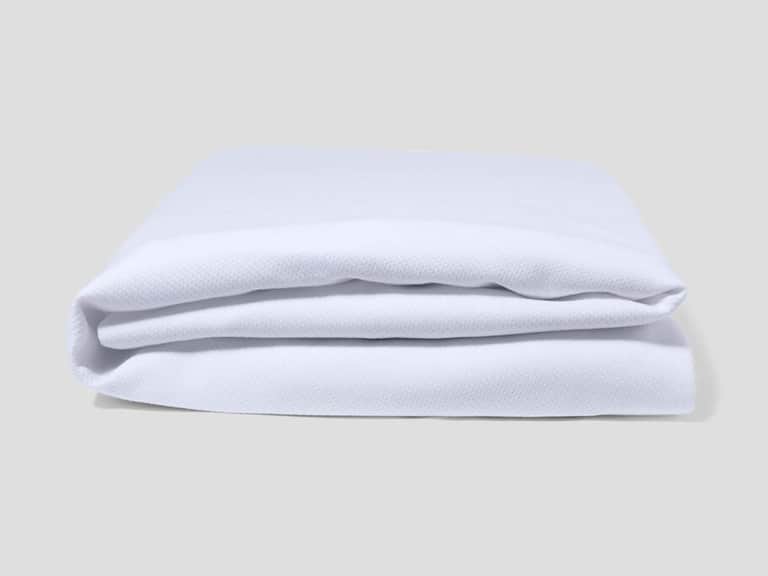
Among the products catalogued on this site, notable entries include a Vispring Heaven Luxury Mattress Topper, and a Savvy Rest Natural Savvy Woolsy Mattress Topper, both highlighted for their organic material foundations and comfort-oriented designs. The Vispring Heaven topper offers british wool-based temperature regulation and supportive contouring, ideal for students seeking a premium upgrade to an existing mattress. The Savvy Rest Woolsy top offers premium natural wool fillings with a certified organic cotton cover, emphasizing antimicrobial properties and moisture-wicking performance. When considering a topper or an add-on, ensure compatibility with your mattress depth and the overall sleep surface you desire.
For dorm or campus contexts, a practical approach is to pair an organic topper with a solid mattress that meets your size and support needs, rather than replacing an entire mattress when possible. In some cases, a high-quality topper can deliver a meaningful improvement in comfort and sleep quality without the higher upfront commitment of a full mattress replacement. Always check product dimensions, installation requirements, and care instructions before purchasing.
Current product options and catalog entries can be explored through the site’s product pages, noting that availability varies by retailer and region. If you’d like, we can tailor a short list of recommended options based on your campus location, budget, and sleep preferences.