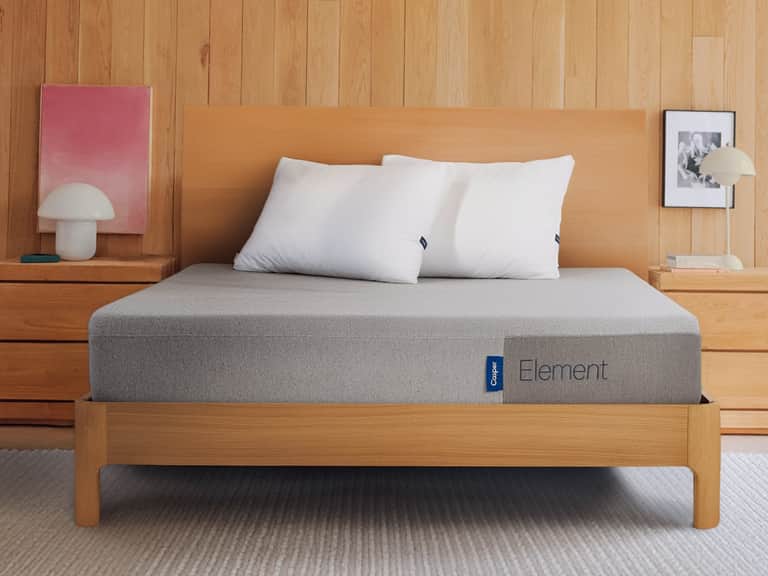
Foam mattresses are designed to contour to the body, providing targeted support and pressure relief across the spine, hips, and shoulders. They adapt to sleeping positions and weight distribution, helping maintain proper alignment while reducing motion transfer for undisturbed rest. This category emphasizes foams ranging from memory to polyurethane for varied comfort profiles.
Key characteristics of foam mattresses include density, cell structure, and firmness options, which influence durability and support. High-density foams tend to offer longer-lasting support, while softer foams enhance initial comfort. Understanding these properties helps in selecting a mattress that suits body type, sleep style, and room temperature considerations.
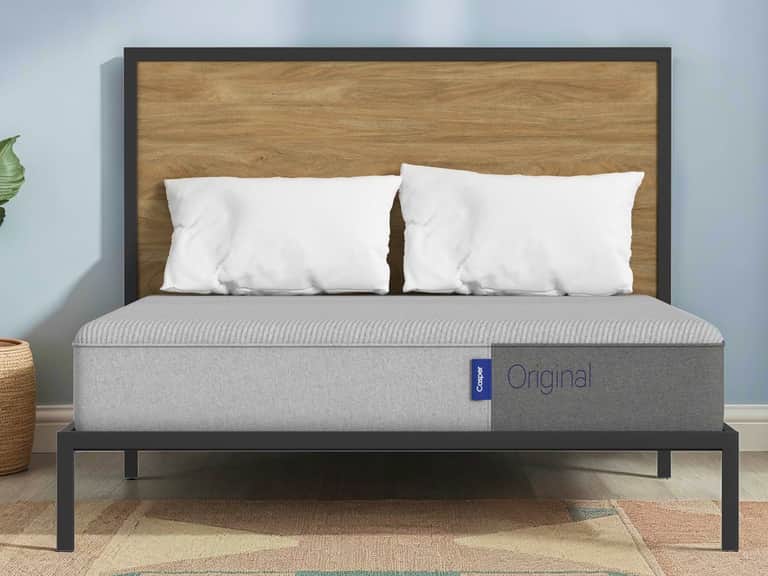
The Original Mattress line showcases core foam technology designed to balance comfort with functional benefits such as pressure relief, contouring, and responsiveness. Mattress construction often combines open-cell foams for breathability with transition layers to reduce sinkage, promoting a stable sleeping surface that adapts to movement.
Maintenance and longevity insights for foam mattresses cover rotation schedules, protective covers, and proper ventilation to prevent moisture buildup. Foam materials respond to humidity and care routines, affecting odor control, foam resilience, and overall lifespan. Knowledge of care practices supports consistent comfort and hygienic sleep environments.
In academic or institutional contexts, foam mattresses can support varied sleeping requirements, including guest rooms or dormitories, by offering dependable support and ease of installation. Related keywords such as bedding, pillows, sheets, latex, and nursery reflect broader sleep ecosystem considerations, ensuring compatibility with complementary bedding accessories and room setups.
 Mattresses