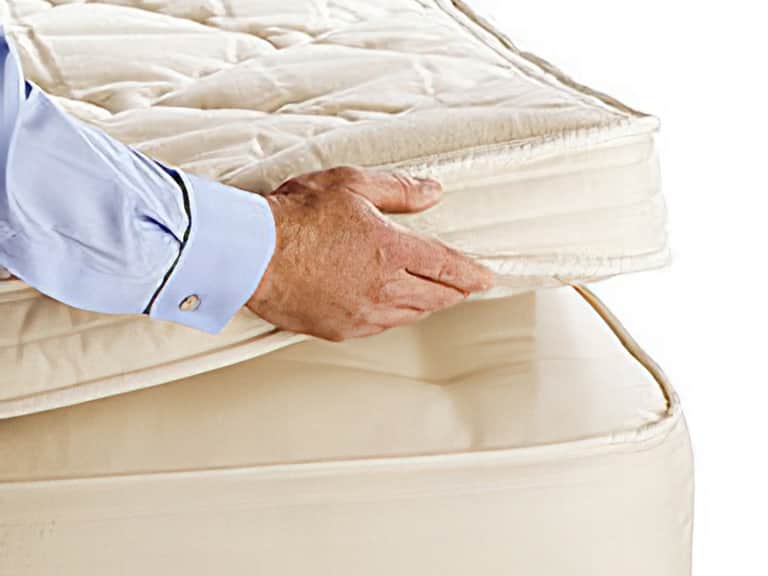
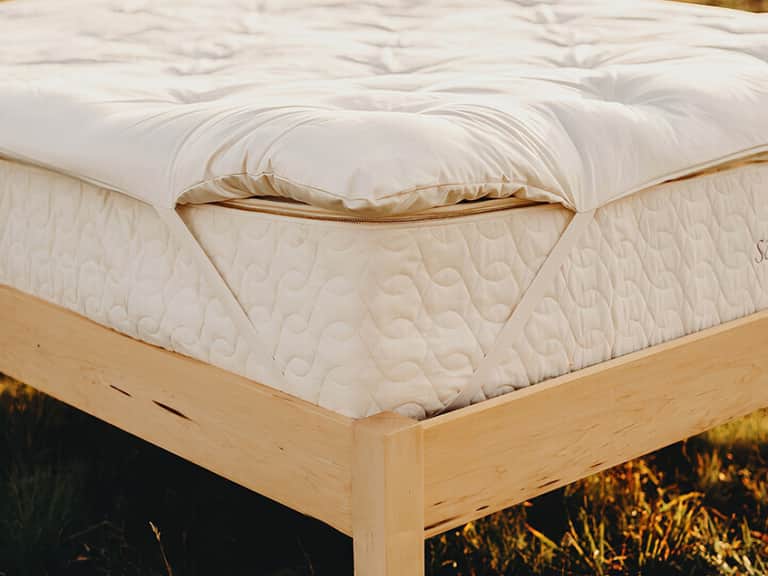
Mattress toppers are layered overlays that enhance comfort, support, and durability of existing mattresses without a full replacement. They can modify firmness, contouring, and pressure relief, making them a versatile option for sleepers with varying preferences. By selecting the appropriate material, users can improve sleep quality and extend mattress life in academic or dormitory settings.
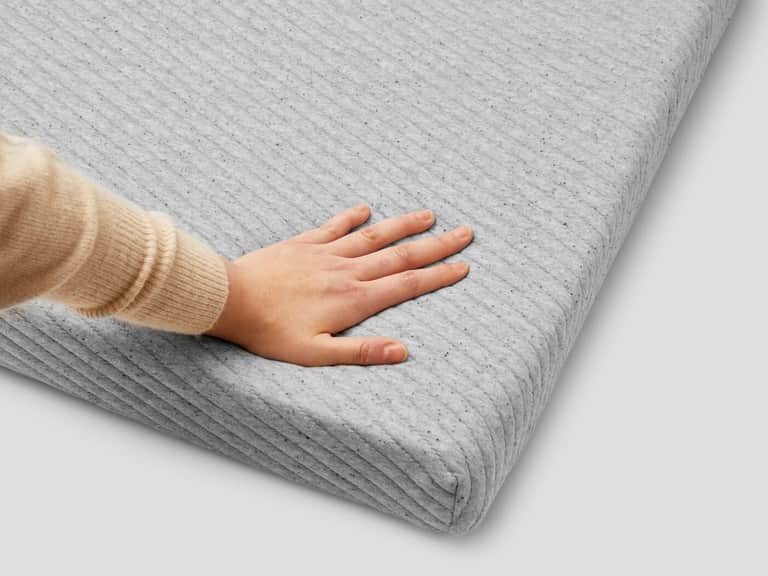
Common materials for mattress toppers include memory foam, latex, and feather or hypoallergenic fillings, each offering distinct benefits. Memory foam conforms to body shape for targeted pressure relief, while latex provides buoyant support with good breathability. Understanding material properties helps students and educators choose toppers that suit different sleep styles and room climates.
Key features to evaluate when considering a topper include thickness, density, temperature regulation, and motion isolation. A thicker topper often yields more cushioning but may alter mattress height. Density influences durability and support, while breathable fabrics and open-cell foams improve airflow and reduce overheating during long study nights or shared living spaces.
Functional benefits extend beyond comfort to practical uses in university environments. Toppers can accommodate varying bed sizes, age-related sleep needs, and roommate differences in sleep patterns. They also serve as a transitional solution for uneven or hard mattresses, helping maintain spinal alignment and reducing discomfort during exams and intensive coursework.
When researching toppers, correlate features with general bedding categories such as sheets, pillows, and nursery considerations to ensure compatibility with a complete sleep setup. Meta keywords like bedding, pillows, sheets, latex, and nursery reflect related topics and assist in understanding how toppers integrate with broader sleep environments while preserving educational focus on sleep science and ergonomics.
 Mattress Toppers